Sacramento, California — A powerful El Niño is expected to become even stronger and last longer than previously forecast, raising the likelihood of a wetter and potentially more hazardous winter across parts of California.
According to the latest outlook from the National Weather Service’s Climate Prediction Center, there is now a 97% probability that El Niño will persist into spring 2027, while forecasters estimate an 81% chance it will strengthen into a “very strong” event by early winter.
If those forecasts hold true, this year’s El Niño could rank among the strongest observed since modern records began in 1950.
Forecasters Say This Could Become a Rare “Super” El Niño
Very strong El Niño events—often referred to as “super” El Niños—are relatively uncommon and have historically been linked to some of California’s most memorable winter weather seasons.
Climate experts say current forecasting models suggest this event could become one of the most significant in decades.
Michael Tippett, an atmospheric scientist at Columbia University, said the latest projections are approaching record levels.
“I think it’s fair to say that, depending on [the] model, the forecasts are close to unprecedented,” Tippett told CNN.
Despite the impressive forecast, meteorologists emphasize that a stronger El Niño does not automatically guarantee extreme weather everywhere.
What a Strong El Niño Could Mean for California
According to climate experts, a super El Niño mainly increases the likelihood of weather patterns typically associated with the phenomenon, rather than guaranteeing them.
For California, that often means a wetter-than-normal winter across Southern California, with an increased chance of heavy rain events.
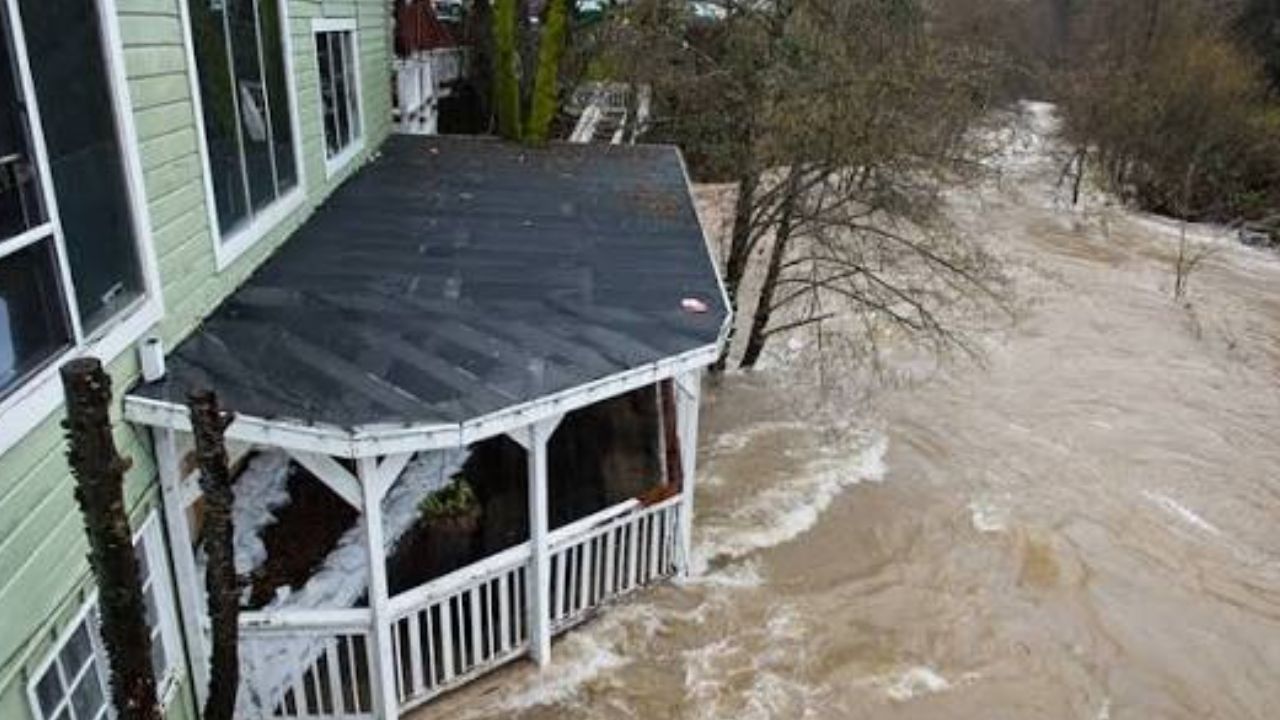
If repeated storms develop, communities could also face a greater risk of flash flooding, mudslides and landslides, particularly in areas vulnerable to erosion or recent wildfire burn scars.
Meanwhile, other regions of the country may experience very different conditions, with northern states often seeing warmer and drier winter weather during El Niño years.
Coastal Communities Could Also See Additional Risks
Meteorologists also warn that El Niño can influence conditions beyond rainfall.
The National Weather Service says high-tide flooding may become more frequent along parts of the West Coast, increasing the potential for coastal flooding during especially high tides.
In addition, previous El Niño events have been linked to harmful algae blooms in Pacific waters, creating challenges for marine ecosystems and coastal communities.
During the summer and fall months, El Niño also tends to reduce hurricane activity in the Atlantic while contributing to more tropical storm development across portions of the eastern and central Pacific Ocean.
Aurora Borealis Forecast Tonight: These 9 States Have the Best Chance to See the Northern Lights
Experts Say Forecasts Are Not Guarantees
Although the updated outlook suggests a stronger climate pattern than previously expected, forecasters stress that local weather conditions will still depend on many other atmospheric factors.
The Climate Prediction Center notes that even the strongest El Niño events do not always produce the same impacts in every location. Instead, they simply increase the odds that typical El Niño weather patterns will develop.
As winter approaches, meteorologists will continue refining forecasts to better determine how storm tracks, rainfall totals and temperatures may affect California communities.
Residents are encouraged to stay informed as seasonal forecasts evolve and prepare for the possibility of periods of heavy rain and changing weather conditions later this year.
How are you preparing for the possibility of a wetter winter? Do you think California is ready if a rare “super” El Niño brings stronger storms? Share your thoughts in the comments below.