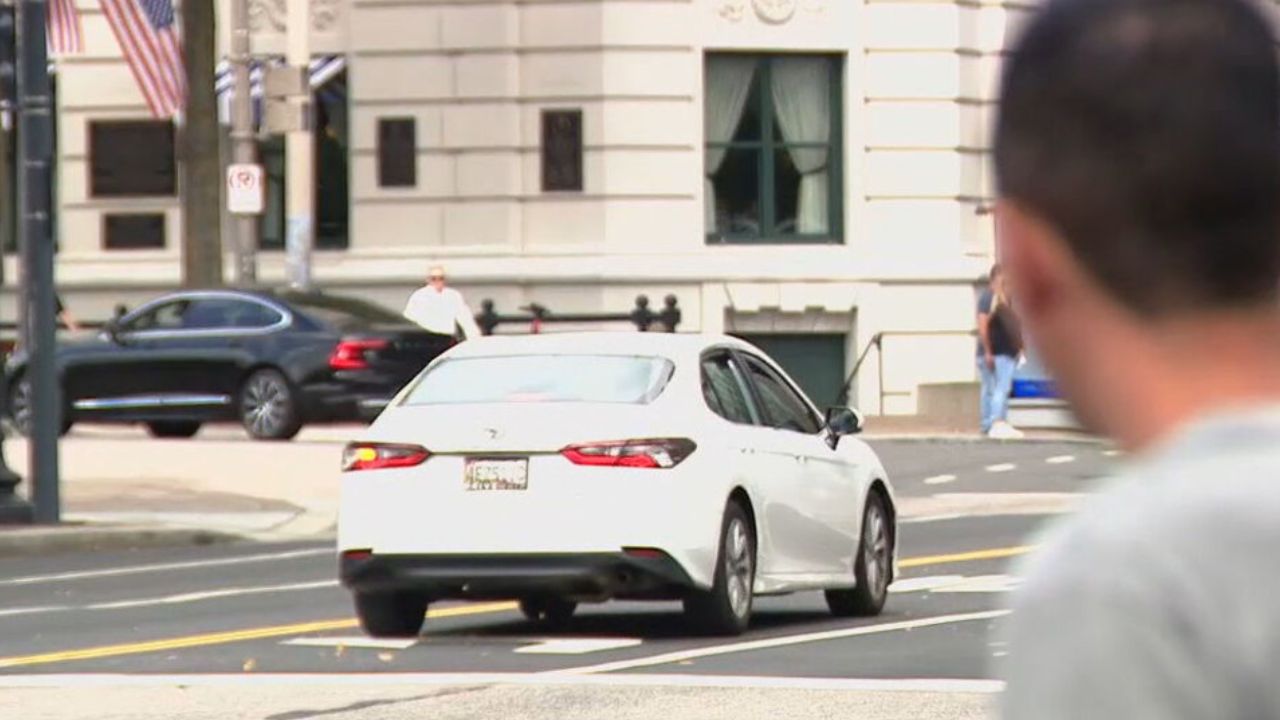
Minnesota — While many states only require a rear license plate, Minnesota continues to require most passenger vehicles to display both a front and rear plate, a rule that officials say plays an important role in public safety and criminal investigations.
The requirement has sparked questions from some drivers, especially as vehicles without front plates become an increasingly common sight on Minnesota roads.
According to the Minnesota State Patrol, the rule isn’t simply about vehicle registration—it can also help law enforcement identify vehicles more quickly during emergencies and criminal investigations.
Why Minnesota Requires Two License Plates
Lt. Jen Krier, public information officer for the Minnesota State Patrol, said having license plates on both the front and back of a vehicle gives officers more opportunities to identify a vehicle.
Whether officers are conducting routine traffic enforcement or investigating a crime, a front license plate can provide crucial information that might otherwise be missed.
Vehicles parked by backing into parking spaces, for example, often conceal their rear plates, making front plates especially valuable.
Traffic cameras and surveillance systems also frequently capture only the front of a vehicle.
According to Krier, this becomes especially important during urgent investigations.
“When we’re out there doing enforcement or if it’s used in a crime, we have an easier way to track that vehicle down if we have a plate on the front and back.”
She also noted that front license plates can be particularly helpful during child abduction investigations.
“The biggest thing I can relate to the general public is in those child abduction cases. When we have a plate on the front and back, there’s two directions that we can identify that vehicle.”
Which Vehicles Are Exempt?
Minnesota is one of 28 states that currently require two license plates for most passenger vehicles.
Neighboring states including Wisconsin, Iowa, North Dakota and South Dakota have similar requirements.
However, Minnesota law does provide several exceptions.
Only one license plate is generally required for motorcycles, scooters, trailers, semitrucks, certain collector and classic vehicles manufactured in 1972 or earlier, and some farm equipment.
How Often Are Drivers Cited?
Although many drivers may notice vehicles without front plates, citations are relatively uncommon.
According to data shared by the Minnesota State Patrol, troopers issued an average of 439 tickets per year between 2023 and 2025 for failing to display both license plates.
During the same period, officers issued approximately 3,893 warnings annually, meaning most drivers stopped for the violation received a warning instead of a citation.
Krier said educating motorists is often the primary goal.
“It is important for us to enforce this, but a lot of the times we do use it as a way to just have a conversation with people and raise awareness to why we need those plates on the front of the vehicle.”
Windshield Display Doesn’t Meet State Requirements
Some drivers place their front license plate inside the windshield rather than attaching it to the bumper, often to avoid drilling holes or because of front-end damage.
Famous Ice Cream Chain is Closing Various Locations: One State Lost 42 Restaurants in Just Weeks
However, state officials say that practice does not satisfy Minnesota law.
According to the State Patrol, license plates must be securely attached to the front bumper, displayed horizontally, and remain clearly visible at all times, including the letters, numbers and registration tabs.
Officials also noted that missing a front license plate is not considered a pretextual traffic stop under policies adopted by the Ramsey County and Hennepin County attorneys’ offices. Law enforcement agencies may still investigate vehicles that are missing required license plates.
Drivers are encouraged to ensure both plates are properly mounted to avoid potential traffic stops and to help support public safety efforts across the state.
Did you know Minnesota requires two license plates on most vehicles? Do you think the rule improves public safety, or should the state switch to a single rear plate? Share your thoughts respectfully in the comments below.