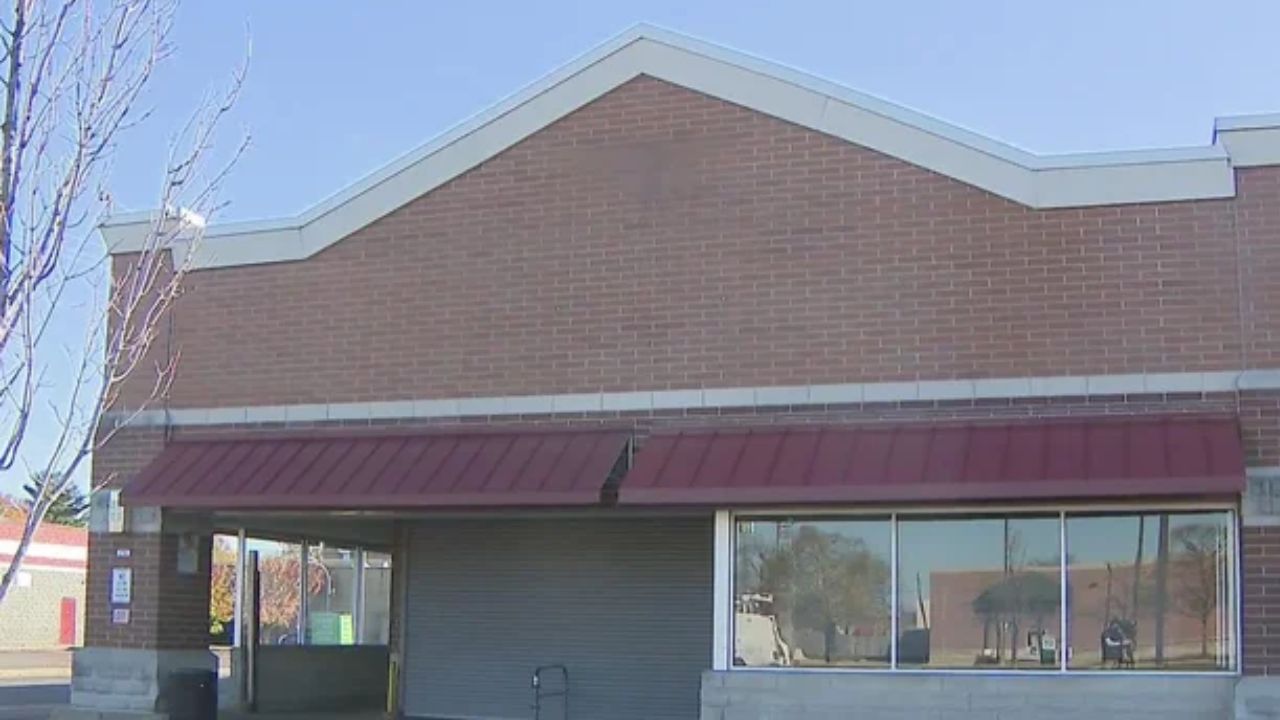
Chicago, Illinois — Residents of Chicago’s West Pullman neighborhood could soon have a new place to shop for fresh groceries after more than a year without a major supermarket.
Community leaders announced plans to bring a Black-owned grocery store to the former Aldi location at 115th Street and Halsted Avenue, marking a significant step toward addressing food access in the neighborhood.
The project is expected to open next year and is part of a larger redevelopment effort designed to revitalize the area with new housing, businesses, and public amenities.
New Grocery Store to Replace Former Aldi
West Pullman has faced limited grocery options since Aldi closed its longtime neighborhood store in 2024.
The closure left many residents traveling outside the community for fresh food and other household essentials.
Alderman Ronnie Mosley said replacing the store became one of his priorities after hearing concerns from residents.
“I made a promise to the community that when Aldis closed, that wouldn’t be the final chapter,” Mosley said.
According to city officials, the former Aldi property was purchased by the Far South Community Development Coalition, which partnered with a developer and secured city funding to help move the project forward.
Living Fresh Market Selected for New Store
The new supermarket will be operated by Living Fresh Market, which describes itself as the largest Black-owned supermarket company in the United States.
Company representative Melody Winston said the business is focused on providing the products local families have requested.
“They say they want hot bar, we know they want fresh fruits, produce, and want fresh meat,” Winston said.
She also emphasized that, as an independently owned business, the company can remain focused on serving community needs rather than meeting corporate sales targets.
“Also, I don’t have big corporate looking over my shoulder saying, ‘Ok, you didn’t make your numbers this week, it’s time to close the store,’” Winston said.
Winston noted that growing up on Chicago’s South Side has given her a firsthand understanding of what neighborhood residents are looking for in a grocery store.
Grocery Store Part of Larger Redevelopment Plan
The supermarket is only one piece of a much larger redevelopment effort planned for West Pullman.
According to Alderman Mosley, the area surrounding the former Aldi is expected to undergo significant transformation in the coming years.
Across the street, the former Jewel-Osco property is expected to become part of Morgan Park Commons, a mixed-use development that will eventually include:
- Approximately 300 affordable housing units
- Green space
- A performing arts center
- Additional community amenities
The first phase of the project includes around 70 housing units, with construction expected to continue over several phases.
Mosley said other neighborhood improvements, including the CTA Red Line extension, are also expected to bring additional investment to the area.
Residents Welcome Long-Awaited Grocery Option
For many West Pullman residents, the announcement represents more than just another grocery store.
After spending more than a year living in what many describe as a food desert, residents say convenient access to fresh food has become increasingly important.
Aldi Opens First Midtown Manhattan Store and Hundreds of New Yorkers Queue Up for Hours
Resident Larry Patterson welcomed the plans for the new market.
“That’s wonderful, very much so needed.”
According to Mosley, current plans call for the grocery store to open around Easter next year, giving residents hope that fresh food options will soon return to the neighborhood.
If completed as planned, the project could become a key part of West Pullman’s broader revitalization while improving access to healthy food for thousands of local families.
What do you think about bringing locally owned grocery stores into underserved communities?
Could projects like this help strengthen neighborhoods and improve access to fresh food? Share your thoughts respectfully in the comments below.