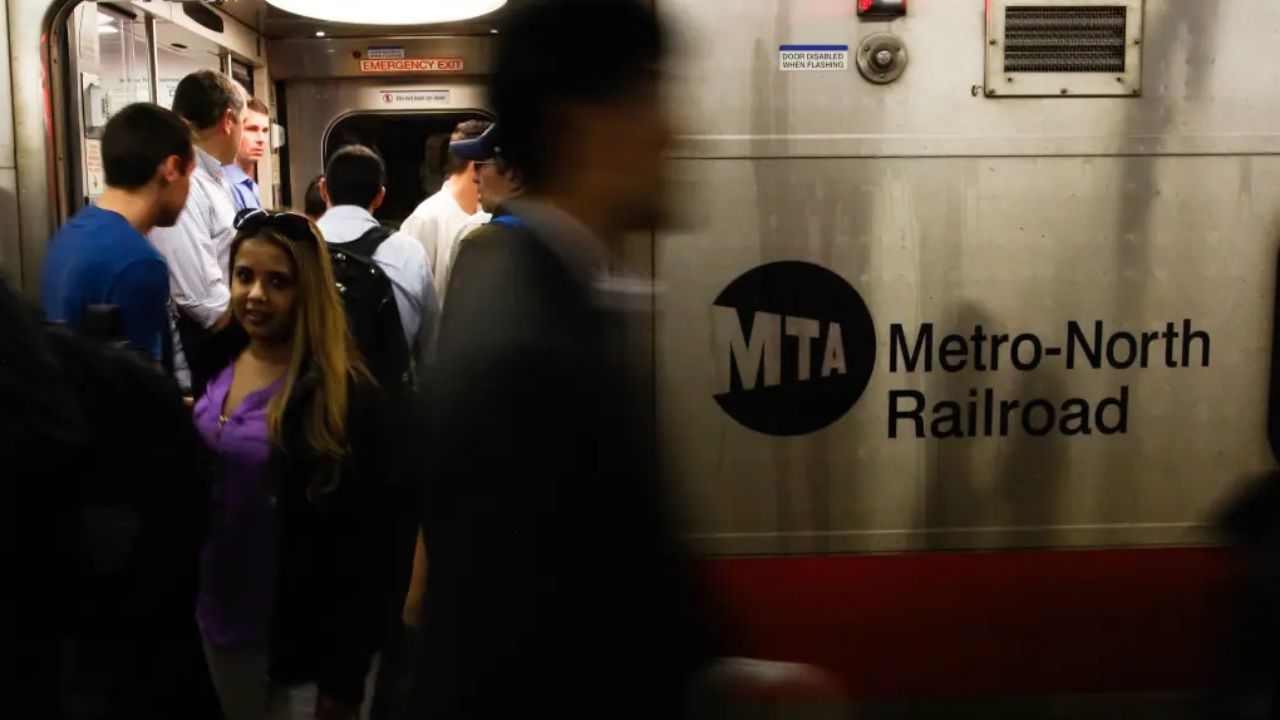
New Haven, Connecticut — Thousands of Metro-North commuters traveling between Connecticut and New York are preparing for another fare increase as transportation officials move forward with a new rate hike just weeks before major construction projects disrupt service on part of the rail network.
Beginning July 1, fares on the New Haven Line for trips to and from Connecticut will increase by 5%, marking the second significant increase in less than a year for many riders.
The fare adjustment comes as state transportation officials work to address rising operating costs and close a multimillion-dollar funding gap.
Second Fare Increase in Less Than a Year
The latest increase follows a similar 5% fare hike introduced in September 2024, meaning some Connecticut riders will have experienced two major fare increases within a relatively short period.
According to the Connecticut Department of Transportation (CTDOT), the additional revenue is needed to support ongoing rail operations and prevent service reductions.
Officials cited increasing expenses related to equipment, labor, and maintenance as key reasons behind the decision.
“As equipment, labor, and maintenance costs to operate these services continue to rise, fare adjustments were needed to sustain existing service levels and avoid reductions,” a CTDOT spokesperson said.
Transportation officials estimate the increase will help address an approximately $11 million funding gap.
Major Construction Project Will Impact Riders
Just weeks after the fare increase takes effect, riders on the Waterbury Branch will face another significant change.
Metro-North plans to suspend train service on the branch beginning July 20 while crews rebuild and modernize several stations.
The project is expected to last approximately 10 months and will include improvements designed to bring stations into compliance with the Americans with Disabilities Act (ADA).
Stations scheduled for reconstruction include:
- Derby-Shelton
- Ansonia
- Beacon Falls
- Seymour
During construction, all Waterbury Branch train service will be replaced by buses.
Riders Will Continue Paying Rail Fares
Despite the transition from trains to buses, commuters will still be charged standard rail fares.
State transportation officials say passengers can expect service levels to remain consistent throughout the project.
“Customers will continue to pay rail fares, but they can still expect the same level of service and reliability while being bused to their destination,” a CTDOT spokesperson said.
Under previous construction arrangements, riders boarded buses at their local stations before transferring to New Haven Line trains in Bridgeport to continue their journeys.
Officials have not announced whether similar arrangements will be used throughout the upcoming project.
Growing Ridership Raises Stakes
The construction project arrives at a time when ridership on the Waterbury Branch has been increasing.
Some stations along the corridor are reportedly handling nearly twice as many passengers as they did before the pandemic.
Teen Who Dreamed of Becoming a Nurse Dies During First Visit to Sequoia National Park
The improvements are intended to modernize infrastructure and improve accessibility, but the lengthy service disruption could create challenges for daily commuters.
Transit advocates have also noted concerns about project timelines.
A previous audit found that several major Metropolitan Transportation Authority construction projects experienced delays, including accessibility-related improvements.
Broader Challenges Facing Metro-North
The fare increase and station closures reflect larger challenges facing regional transit systems as agencies attempt to balance infrastructure investments, operating costs, and passenger expectations.
The New Haven Line is unique among Metro-North routes because Connecticut owns much of the infrastructure and plays a major role in setting fares for riders traveling within or from the state.
Meanwhile, New York riders also saw fare increases earlier this year when the MTA implemented a broader systemwide hike of approximately 4.5%.
For many commuters, the combination of higher costs and upcoming service changes means adjusting to a new reality while transportation agencies work to improve long-term infrastructure.
As construction begins and the new fares take effect, riders will be watching closely to see whether promised improvements and timelines are ultimately delivered.
How do you feel about paying higher fares while rail service is temporarily replaced by buses?
Do you believe the long-term station improvements will be worth the inconvenience? Share your thoughts in the comments below.