Chicago, Illinois- Chicago and northern Illinois are facing a dangerous stretch of weather that could pose serious health risks for residents through the weekend — and forecasters warn that conditions are expected to worsen before they improve.
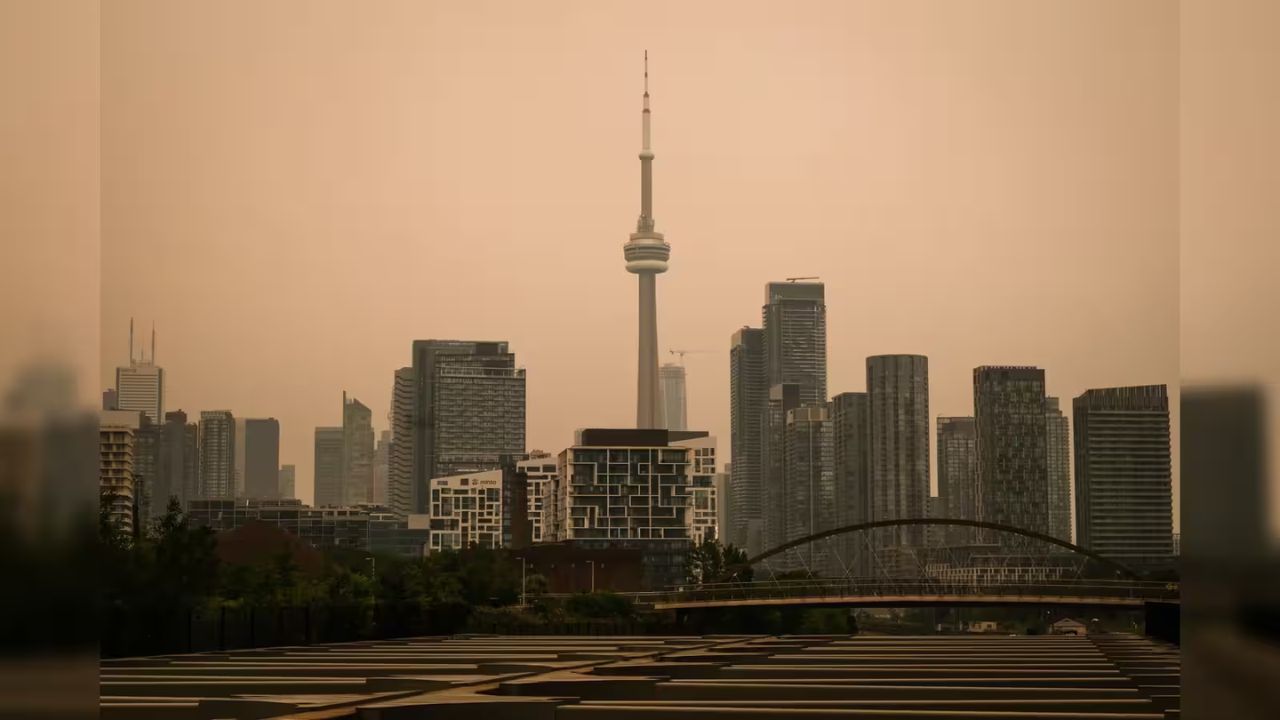
Wildfire smoke drifting south from Canada has been blanketing the region, reducing air quality to hazardous levels. The smoke is expected to linger through Friday, with the greatest impact felt by those with respiratory conditions, the elderly, and young children. Forecasters say the smoke will gradually improve heading into the weekend — but another threat is already moving in.
Scattered showers and thunderstorms are expected to fire up Friday afternoon, with a second and more significant round likely Saturday. Any storm that develops could bring frequent lightning, damaging wind gusts, and heavy rainfall in a short period of time. Forecasters caution that not everyone will see storms, but timing and intensity could shift — meaning residents should stay alert for updated warnings throughout the day.
Heat Index Warning: Saturday afternoon heat index values could reach 100 to 105°F across the region. Prolonged outdoor exposure may result in heat exhaustion or heat stroke.
High temperatures Friday will climb into the upper 80s to near 90 degrees, followed by an even hotter Saturday with readings of 88 to 91 degrees. Combined with high humidity, the heat index — what it actually feels like outside — could spike between 100 and 105 degrees Saturday afternoon, raising the risk of heat-related illness.
A cold front is expected to push through Saturday evening, bringing an end to the worst of the heat. By Sunday, high temperatures will drop into the low to mid-80s, with Lake Michigan offering additional relief to those nearest the shoreline. Isolated storm chances return Monday near the Illinois-Wisconsin border.
Residents are advised to limit outdoor activity during the hottest parts of the day, drink water frequently, and check on elderly neighbors or those without access to air conditioning. Anyone sensitive to smoke or with breathing conditions should remain indoors and keep windows closed until air quality improves.