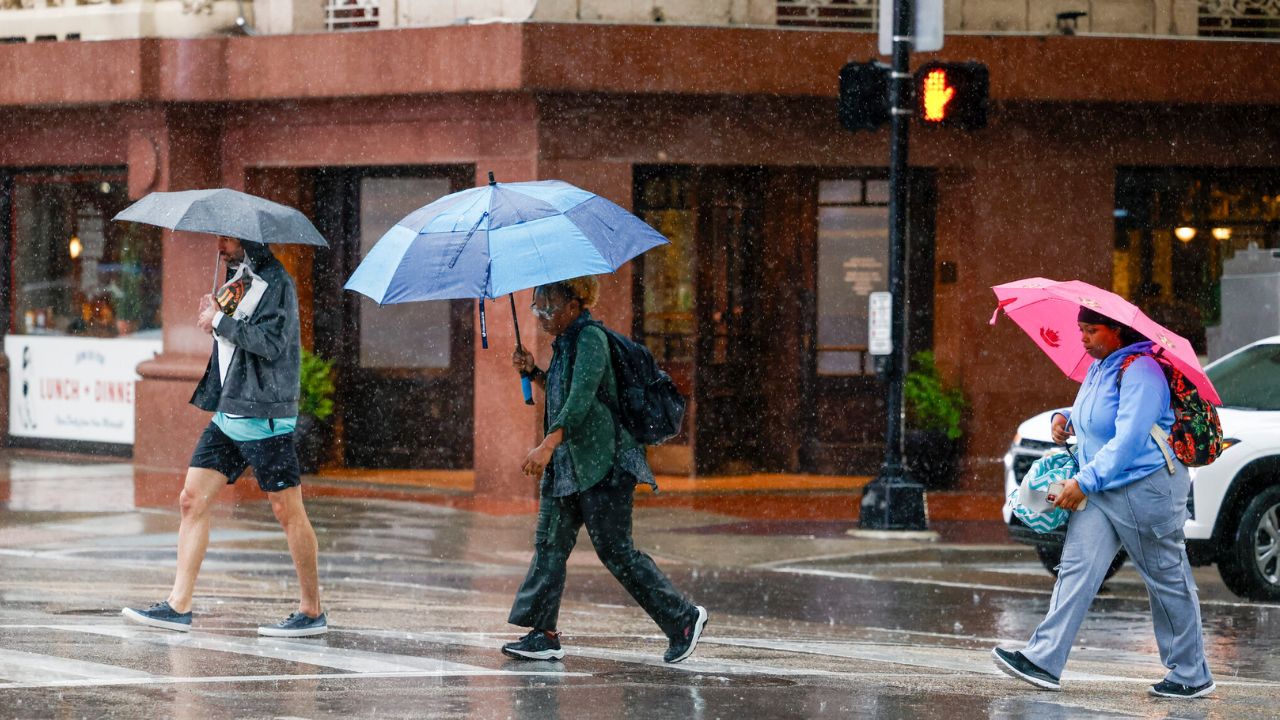
Oklahoma City, Oklahoma — Millions of people across the southern United States are being urged to prepare for a prolonged period of heavy rainfall as repeated rounds of storms threaten to trigger dangerous flash flooding through the start of next week.
The unsettled weather pattern arrives just as summer officially begins and many families prepare for outdoor activities, vacations, and trips to beaches, lakes, and parks. However, forecasters say persistent tropical moisture and a slow-moving weather system could create hazardous conditions across a large portion of the region.
Meteorologists are warning that some areas may experience multiple days of downpours, increasing the risk of flooding in both urban and rural communities.
Stalled Front Expected to Fuel Repeated Storms
According to forecasters, a stationary front stretching across parts of the South will serve as a focus for repeated thunderstorm development over the coming days.
At the same time, abundant tropical moisture moving into the region will provide the fuel needed for widespread heavy rainfall.
The combination is expected to produce numerous showers and thunderstorms from Oklahoma and Arkansas eastward into Tennessee and northern Mississippi.
Weather experts say many locations could receive 1 to 2 inches of rainfall, while isolated areas may see significantly higher totals where storms repeatedly move over the same locations.
“A widespread 1 to 2 inches of rain looks likely, though localized pockets of heavier downpours could exceed those totals in Oklahoma and Arkansas,” forecasters said.
Because the storms may repeatedly affect the same areas, the threat of flash flooding is expected to increase throughout the week.
Millions Under Flash Flood Threat
The greatest flooding concerns are expected on Monday, when forecasters have issued a Level 2 out of 4 flash flood risk across portions of the southern Plains and lower Mississippi Valley.
The area of concern extends from parts of Oklahoma through the Ozarks and into sections of neighboring states.
Several major population centers could experience periods of intense rainfall, including:
- Oklahoma City, Oklahoma
- Nashville, Tennessee
- Charleston, South Carolina
While not every community will experience flooding, meteorologists warn that any location receiving repeated storms could quickly see water accumulate on roads, in low-lying areas, and near streams and creeks.
Drivers are being encouraged to remain alert and avoid flooded roadways, especially during periods of heavy rainfall.
Flooding Risk Continues Into Tuesday
Although the most widespread threat is expected Monday, the weather pattern will remain active into Tuesday.
Forecasters expect the overall flood risk to decrease slightly, but a Level 1 out of 4 flash flood threat is still expected across many of the same regions.
Additional rounds of rain could fall on already saturated ground, increasing the likelihood of localized flooding problems.
Communities that receive heavy rainfall early in the event may be especially vulnerable to flooding from subsequent storms later in the week.
Deadly Flood Emergency Expands Across Southern States With Catastrophic Rain Still Falling
Rainfall Could Bring Relief to Drought-Stricken Areas
While the heavy rainfall poses significant risks, some communities may welcome the moisture.
Parts of Arkansas and surrounding states have been dealing with drought conditions, and the incoming rain could help replenish soil moisture, reservoirs, and waterways.
However, forecasters caution that excessive rainfall falling in a short period can create more problems than benefits, particularly when drainage systems become overwhelmed.
As the active weather pattern continues, emergency managers are encouraging residents to monitor local forecasts closely and be prepared for rapidly changing conditions.
Residents Urged to Stay Weather-Aware
With summer travel and outdoor activities increasing, officials are reminding residents not to underestimate the dangers of flash flooding.
Even relatively small amounts of moving water can sweep vehicles off roadways, while flooding can develop quickly during periods of intense rainfall.
As storms continue targeting the South through next week, weather experts recommend keeping emergency alerts enabled, monitoring forecasts regularly, and avoiding flood-prone areas whenever possible.
Has your area experienced flash flooding or heavy storms recently? How do you prepare when severe weather threatens your community? Share your thoughts and experiences in the comments below.