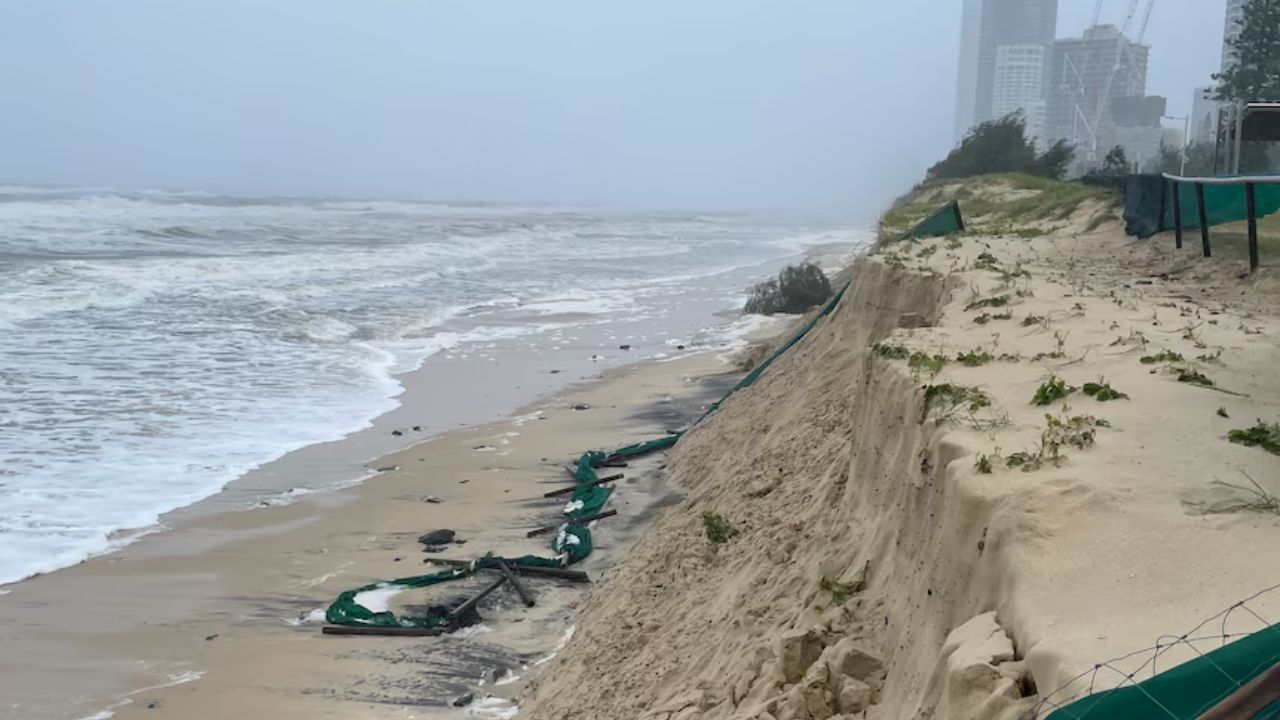
Tropical Storm Bertha has formed in the eastern Gulf of Mexico, and forecasters are warning that the danger it carries is far greater than its current winds suggest.
As of Monday morning, Bertha was located approximately 100 miles south of the Florida Panhandle, packing maximum sustained winds of 40 mph. But meteorologists say wind speed tells only part of the story — it is the storm surge and relentless rainfall that pose the most serious threat to communities stretching from the Florida Panhandle to the Louisiana coast.
What Officials Are Warning About Right Now
Tropical Storm Watches have been expanded along a vast stretch of coastline, from the Ochlockonee River in Florida’s Panhandle all the way to the Jefferson-Plaquemines Parish border in Louisiana. These areas could begin experiencing tropical storm conditions as early as Tuesday.
More alarming, a Storm Surge Watch was issued Monday morning from the Alabama-Florida border to the Mouth of the Mississippi River. Forecasters say 2 to 4 feet of life-threatening inundation from rising ocean water pushing inland is possible in this zone — enough to flood homes, strand residents, and cut off evacuation routes.
What Comes Next Depends On One Critical Variable
Bertha’s exact track remains uncertain, and that uncertainty changes everything for millions of residents.
If the storm weakens and moves inland quickly, heavy rainfall will push deeper into the Southeast interior. If Bertha strengthens and lingers over warm Gulf waters longer, the heaviest rain stays compressed near the coast — before eventually shifting west toward the middle Texas shoreline later in the week.
What forecasters are confident about: the Florida Panhandle and Big Bend region will see periods of heavy rain regardless, with totals of 2 to 4 inches expected through midweek and isolated higher amounts possible.
Energy giant Chevron has already begun shutting down offshore production and moving workers to shore as a precaution.
Residents across the Gulf Coast should monitor updates closely — conditions can change rapidly.