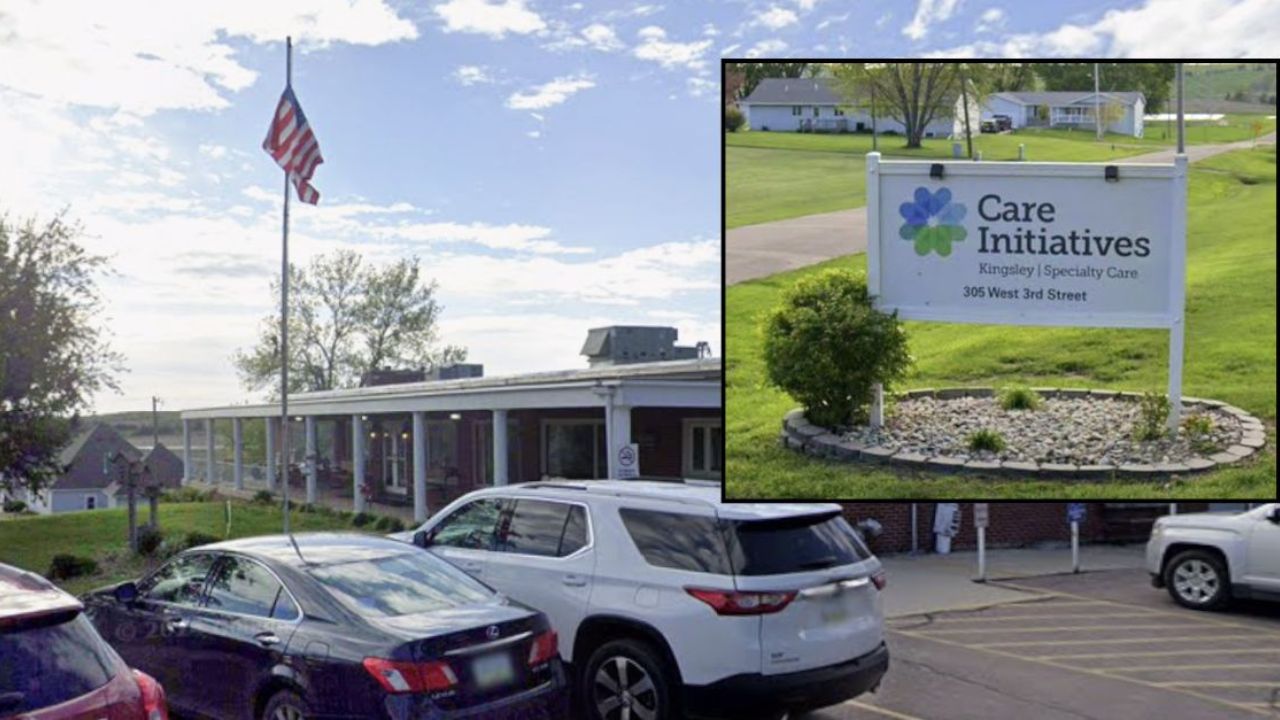
Kingsley, Iowa — An Iowa nursing home is facing state penalties after inspectors concluded that staff failed to provide proper emergency care to a resident who later died following a medical crisis.
According to findings released by the Iowa Department of Inspections, Appeals and Licensing, Kingsley Specialty Care was fined $10,500 after investigators determined that staff did not provide timely CPR to a patient experiencing severe breathing problems.
The incident has raised serious concerns about emergency preparedness and staff response procedures at the facility.
Patient Reportedly Asked for Hospital Care Before Medical Emergency
State records indicate that the incident occurred on May 9 when an unnamed female resident informed staff that she was having difficulty breathing and wanted to be transported to a hospital.
A registered nurse responded to the situation and later told inspectors she attempted to assemble oxygen equipment for the patient. However, the nurse reportedly could not locate all of the necessary working components.
According to the investigation, the nurse then went to the facility’s basement in search of the missing equipment while the patient remained in her room.
During that time, the patient’s condition worsened significantly.
Nurse’s Aide Reportedly Struggled to Get Help
As the resident became increasingly distressed, a nurse’s aide who remained with the patient attempted multiple times to contact the nurse and bring her back to the room.
Investigators said the aide received no response and eventually had to yell for assistance.
By the time the nurse returned, the patient had become unresponsive.
Officials reported that neither staff member initially knew whether the resident had a do-not-resuscitate order in place. After checking records at the nurse’s station, they confirmed the patient was considered a full-code patient, meaning CPR should be administered during a medical emergency.
CPR Delays Become Focus of Investigation
After confirming the patient’s status, the nurse and aide returned to the room.
According to inspectors, the aide began chest compressions while another employee called 911.
The nurse reportedly checked the patient’s pulse and concluded that the patient had died. State investigators said the nurse did not perform any lifesaving interventions herself.
When questioned later, the aide told inspectors she expected the registered nurse to take control of the situation. The aide described the nurse as appearing overwhelmed during the emergency.
The nurse “kind of acted like she was in shock,” the aide reportedly told investigators.
Widow Seeks Damages After Husband’s Body Allegedly Fell From Casket at Graveside
The nurse later admitted she felt “flustered” and said she did not think about retrieving the facility’s crash cart during the emergency response.
EMTs Arrive to Find Limited Emergency Equipment
Approximately 10 minutes after the 911 call, emergency medical technicians arrived at the facility. According to the inspection report, EMTs found an employee believed to be a nurse standing near the patient’s bed.
When emergency responders asked why CPR was not being performed, the employee reportedly responded that she was “giving her some air.”
EMTs also told investigators they did not observe emergency respiratory equipment commonly used in critical situations, including oxygen supplies, an Ambu bag, or a crash cart.
The patient was transported to a hospital, where she was later pronounced dead.
State Takes Action Against Facility
Following its investigation, the Iowa Department of Inspections, Appeals and Licensing cited Kingsley Specialty Care for failing to provide basic CPR and emergency care.
The $10,500 fine also included a separate violation involving allegations that a nurse had improperly taken medication intended for a patient.
According to reports, state officials typically suspend collection of such fines until federal regulators determine whether additional penalties will be imposed.
The case has renewed attention on emergency response standards in long-term care facilities and the importance of ensuring staff are properly prepared to handle life-threatening situations.
What do you think about this case? Should nursing homes face stricter oversight and penalties when emergency care procedures are not followed? Share your thoughts respectfully in the comments below.