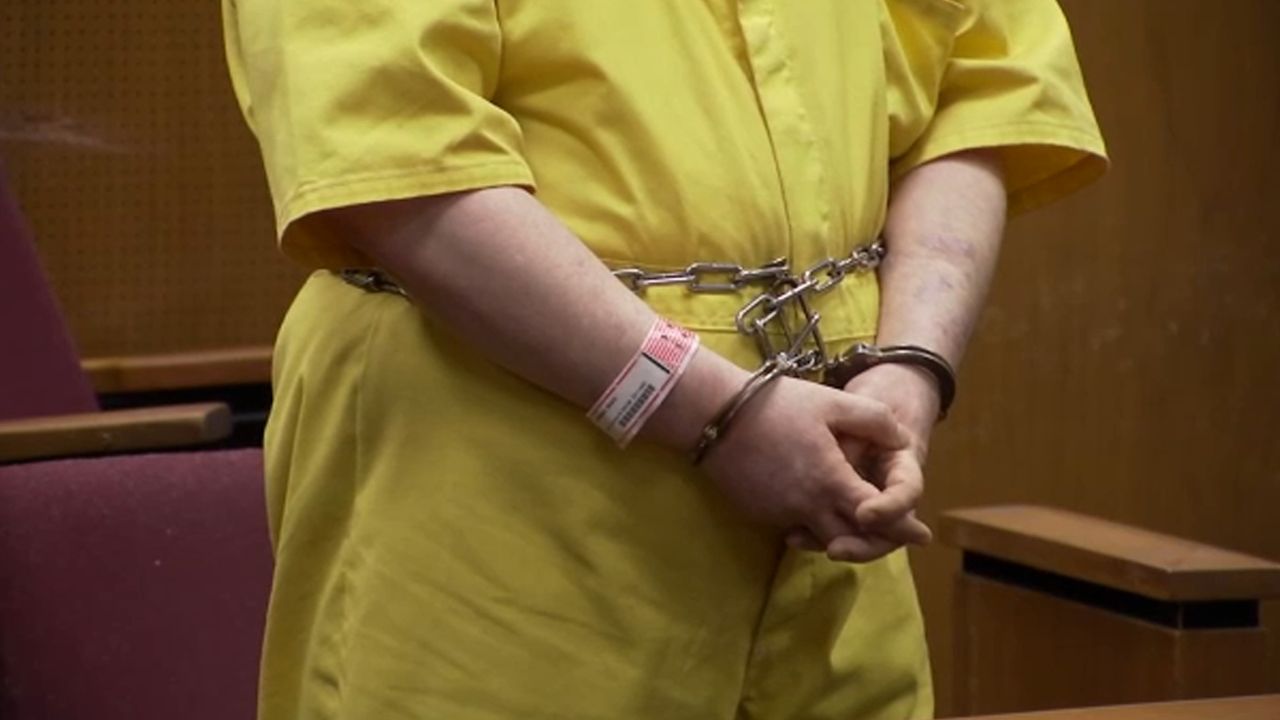
Fresno County, California — A Fresno County courtroom was filled with emotion Friday as a man convicted in the killing of his mother learned he will spend decades in custody, beginning with treatment at a state psychiatric hospital before eventually serving a lengthy prison sentence.
Brad Ramirez, who admitted responsibility for the death of his mother, Shirla Ramirez, was sentenced to 31 years to life in prison after a judge ordered him to first undergo mental health treatment because of his documented psychiatric condition.
The sentencing brought another painful chapter to a case that has deeply affected the victim’s family since her death last year.
Mother’s Death Shocked Family and Community
Authorities discovered the body of 62-year-old Shirla Ramirez during a welfare check after she failed to report to work. Investigators later determined that she had been fatally beaten by her son.
During Friday’s hearing, family members described the devastating impact the crime has had on their lives and urged the court to impose the harshest possible punishment.
Among those who spoke was Shirla’s sister, Kerry Bash, who said the family continues to struggle with the tragedy.
“What happened was so horrific. It feels so unreal,” Bash told the court.
She also expressed frustration over circumstances she believes contributed to the deadly incident.
“Decisions were made choosing drugs and refusing medication that placed her safety and her life at risk,” Bash said.
Mental Health Played a Central Role in the Case
Court records show Ramirez had previously been found not guilty by reason of insanity because he suffers from schizophrenia.
However, legal proceedings took a significant turn last month when Ramirez changed his plea to no contest, allowing the case to move forward toward sentencing.
The court ultimately determined that a combination of treatment and incarceration was appropriate under the circumstances. Fresno County Superior Court Commissioner Daniel Brickey acknowledged the profound loss suffered by the victim’s loved ones.
“The court simply can’t find the words to express its condolences in strong enough terms to the family in this incident,” Brickey said.
State Hospital Treatment Ordered Before Prison
Under the sentence imposed Friday, Ramirez will first be committed to a state psychiatric hospital. Medical professionals will evaluate and treat him in an effort to restore his mental competency and stability.
If doctors determine that his condition has improved sufficiently, Ramirez will then be transferred to state prison to begin serving the remainder of his 31-years-to-life sentence.
The ruling reflects California procedures in certain cases involving defendants whose crimes are closely linked to severe mental illness.
Ramirez also retains the right to appeal the sentence and has 60 days to file an appeal.
Family Seeks Accountability While Mourning Loss
Throughout much of the hearing, Ramirez reportedly appeared emotional and occasionally looked toward family members seated in the courtroom.
Although he did not personally address the court, his public defender conveyed a statement on his behalf.
Portland Drivers Hit With 69,000 Tickets in Seven Months as More Speed Cameras Are Coming
“He’s indicated that he understands there’s nothing that he could say to give any solace to the victim or her family,” public defender Brendan Bergh said.
Bergh also told the court that Ramirez feels remorse for his actions.
Commissioner Brickey said he believed that remorse was genuine and offered words of encouragement to the victim’s family as they continue to heal.
“This grief is going to be with you for a long time, but I can assure you that it will get easier with time,” Brickey said.
Despite the tragedy, Kerry Bash said she does not hate her nephew and continues to care about him even as she seeks accountability for her sister’s death.
“No sentence can undo what was done or bring Shirla back. Nothing can restore the life that was taken or fully heal the damage done to our family, but accountability for this horrific crime matters,” Bash said.
As the case moves into its next phase, Shirla Ramirez’s loved ones say they remain focused on honoring her memory while coping with a loss that continues to affect the entire family.
What are your thoughts on cases involving serious mental illness and violent crimes? Should treatment and accountability go hand in hand in these situations? Share your thoughts respectfully in the comments below.