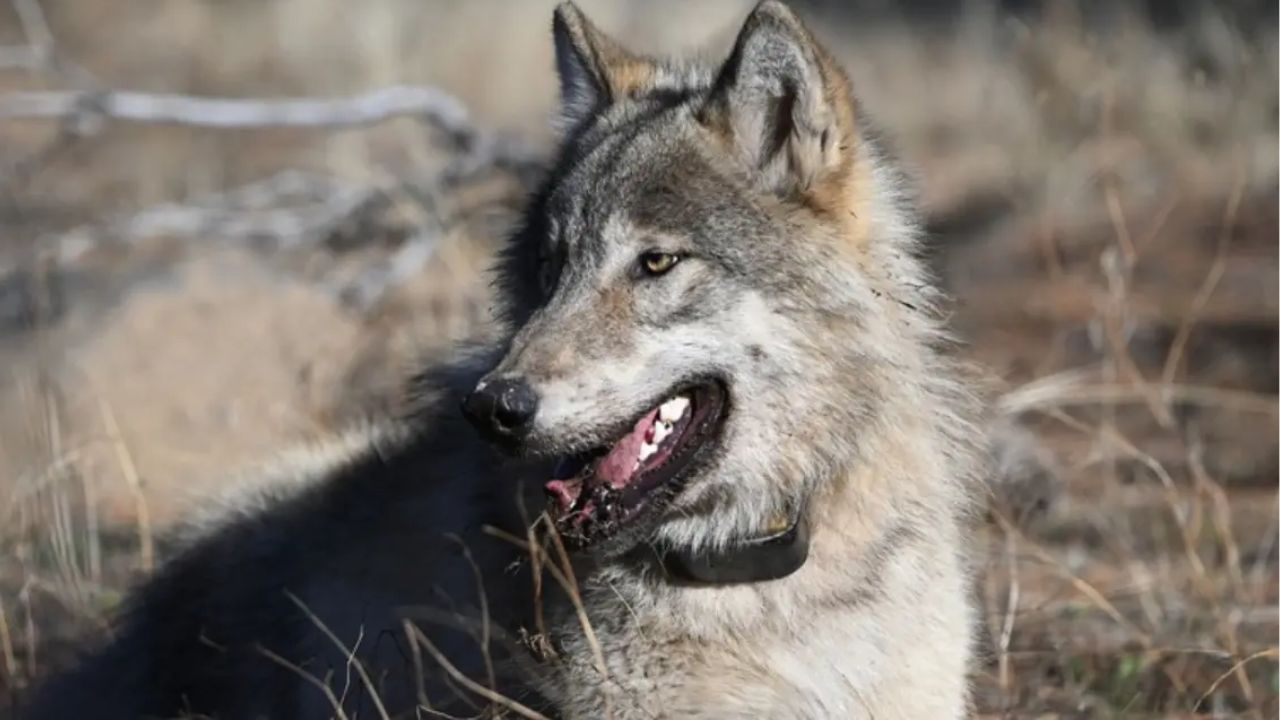
Sacramento, California — California’s growing gray wolf population is once again fueling conflict between wildlife conservation efforts and the state’s ranching industry, as livestock attacks continue to reach record levels while farmers say they have few legal options to protect their animals.
According to the California Farm Bureau, 2025 saw 196 confirmed wolf attacks on livestock, marking the highest annual total since gray wolves naturally returned to California more than a decade ago. The trend has continued into 2026, with at least 26 livestock animals killed during the first three months of the year.
As attacks increase, state officials are providing financial assistance to affected ranchers, but agricultural leaders say compensation alone will not solve the growing problem.
Gray Wolves Have Made a Strong Return to California
Gray wolves disappeared from California more than a century ago after widespread government efforts to eliminate them in order to protect livestock.
That changed in 2011, when a collared gray wolf crossed into California from Oregon, becoming the first confirmed wild wolf to return to the state in decades.
Since then, wildlife officials estimate that around 100 wolves now live in California across 12 established packs, primarily in Northern California. At least one lone wolf has also been documented in Southern California.
While conservationists view the return of wolves as an important step in restoring native ecosystems, ranchers say the growing population has created new challenges for livestock operations.
Ranchers Say Legal Protections Limit Their Response
Because gray wolves are protected under the California Endangered Species Act, ranchers are generally prohibited from killing or injuring the animals, even during livestock attacks.
Steven Fenaroli of the California Farm Bureau said many producers feel powerless when wolves target their herds.
“A wolf may be 50 feet away, but farmers can’t do anything,” Fenaroli said. “It’s terrible for the ranchers. They have to see their livestock being eaten alive.”
Ranchers can use non-lethal deterrents such as pepper balls, loud noises, flashing lights or flagged ropes, but many say these methods lose effectiveness over time.
“Wolves are smart,” Fenaroli said. “They are doing what they were bred to do, looking for food.”
Impact Extends Beyond Animals Killed
Agricultural leaders say the financial losses go beyond the livestock directly killed during attacks.
According to the California Farm Bureau, repeated wolf activity can increase stress throughout a herd, leading to reduced reproduction rates, lower weight gain and overall declines in animal health, creating additional economic challenges for ranchers.
The organization says these indirect impacts can significantly affect farm operations even when only a small number of animals are lost.
State Provides $1.1 Million in Compensation
To help offset some of the losses, the California Department of Fish and Wildlife has directed the California Farm Bureau to distribute $1.1 million through the state’s Wolf Livestock Compensation Program.
Farm Bureau President Shannon Douglass said the funding provides some relief but does not address the underlying conflict between expanding wolf populations and livestock production.
“While not a solution to the conflict, the Wolf Livestock Compensation Program is one avenue that helps ranchers deal with loss. Until we have more options to deter wolves, we will keep seeing more attacks on livestock,” Douglass said.
As California’s wolf population continues to grow, state officials, conservation groups and ranchers are expected to face ongoing debates over how to balance wildlife recovery with protecting the livelihoods of farmers and ranchers across the state.
What do you think? Should California expand non-lethal tools for ranchers, or should stronger protections for livestock be considered as wolf populations continue to grow? Share your thoughts respectfully in the comments below.