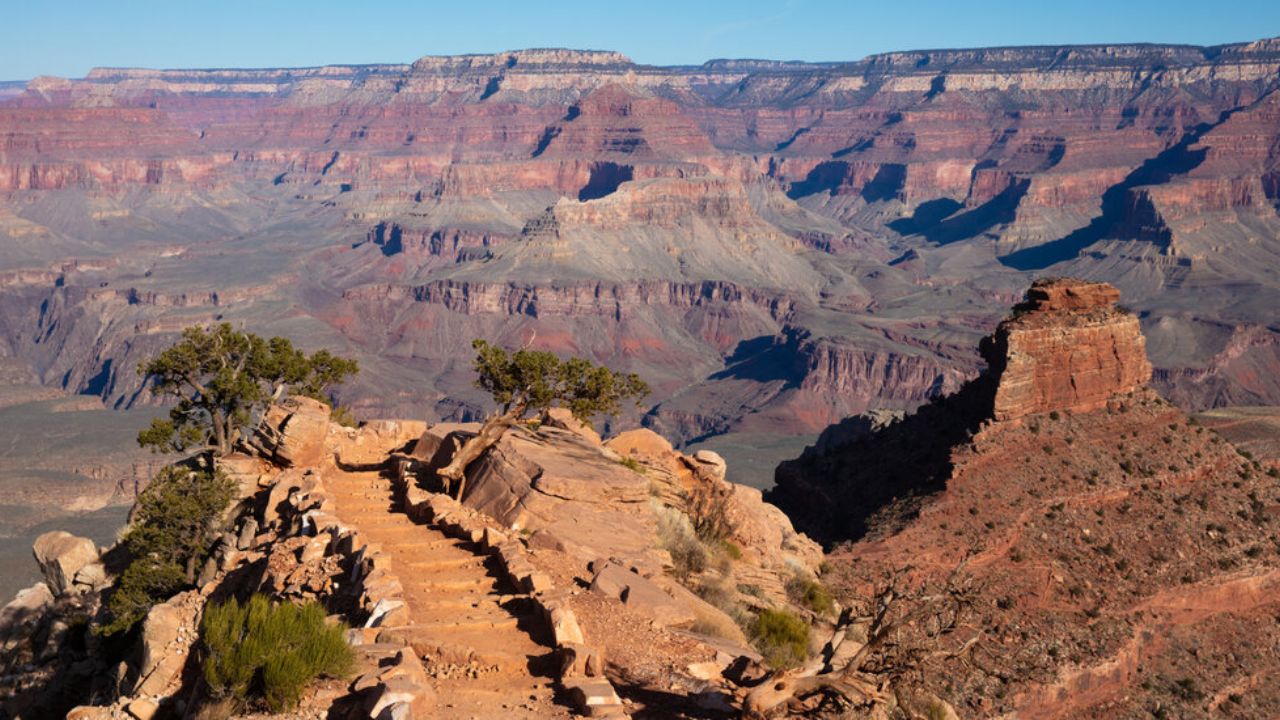
Grand Canyon National Park, Arizona — Park officials are warning visitors about the dangers of extreme summer heat after at least four people died in weather-related incidents at Grand Canyon National Park during June.
The deaths come as soaring temperatures and increased summer visitation create hazardous conditions for hikers attempting to explore one of America’s most popular national parks.
Officials say the recent tragedies highlight the serious risks that heat can pose, particularly for visitors hiking long distances during the hottest parts of the day.
Three Older Hikers Die on Popular Canyon Trails
According to the National Park Service, three hikers appear to have died from symptoms consistent with heat-related illnesses during separate incidents this month.
On June 12, a 72-year-old man suffered a medical emergency while hiking along the South Kaibab Trail.
Several days later, on June 16, a 67-year-old man and a 68-year-old woman reportedly experienced similar heat-related emergencies while traveling on the North Kaibab Trail.
Despite rescue efforts and aerial support, emergency responders were unable to save the hikers.
“On June 12, a 72-year-old male succumbed to symptoms of heat-related illness along the South Kaibab Trail; on June 16, a 67-year-old male and a 68-year-old female also appear to have succumbed to symptoms of heat-related illness on the North Kaibab Trail, although the investigation is still ongoing,” the National Park Service said.
Officials added:
“Despite rapid response and aerial support, all three individuals were found deceased when responders arrived.”
Investigations into the incidents remain ongoing.
Earlier Death Also Linked to Extreme Temperatures
The three recent fatalities were not the only weather-related tragedy reported in the park this month.
An 18-year-old visitor reportedly died on June 3 during a separate incident connected to the region’s dangerous heat conditions.
While officials have released limited details about that case, the death further underscores the growing risks facing visitors during the peak summer season.
The Grand Canyon attracts millions of visitors each year, many of whom underestimate how physically demanding hiking in extreme desert conditions can be.
Park Officials Urge Visitors to Avoid Midday Hiking
In response to the recent deaths, park officials are reminding visitors to take heat warnings seriously.
The National Park Service strongly recommends avoiding strenuous hiking between 10 a.m. and 4 p.m., when temperatures typically reach their highest levels.
Conditions inside the canyon can be significantly hotter than temperatures recorded at the rim, creating potentially life-threatening situations for hikers who are not adequately prepared.
Experts also encourage visitors to:
- Carry plenty of water and electrolytes
- Wear lightweight, breathable clothing
- Take frequent breaks in shaded areas
- Avoid overexertion during extreme heat
- Turn around immediately if symptoms of heat illness develop
Heat exhaustion and heat stroke can escalate quickly and become fatal without prompt treatment.
Extreme Heat Impacting National Parks Across the Southwest
The dangerous weather is not limited to the Grand Canyon.
FDA Alert Issued for Recalled Blood Pressure Tablets That May Not Work Properly
Park officials note that other popular destinations throughout the Southwest are also experiencing hazardous conditions this summer.
National parks including Zion National Park and Arches National Park in Utah have reported extreme afternoon temperatures that can create similar risks for hikers and outdoor enthusiasts.
Meteorologists continue to monitor ongoing heat patterns across the region as millions of travelers visit national parks during the busy summer vacation season.
Safety Remains a Top Priority
With temperatures continuing to climb, officials are urging visitors to plan outdoor activities carefully and remain aware of changing conditions.
The recent deaths serve as a sobering reminder that even experienced hikers can face life-threatening situations when exposed to prolonged heat.
As summer crowds continue arriving at the Grand Canyon, park authorities hope increased awareness will help prevent additional tragedies and encourage visitors to prioritize safety while exploring one of the nation’s most iconic landscapes.
Have you ever visited the Grand Canyon or hiked in extreme summer heat? What precautions do you take when exploring national parks during hot weather?
Share your thoughts and safety tips in the comments below.