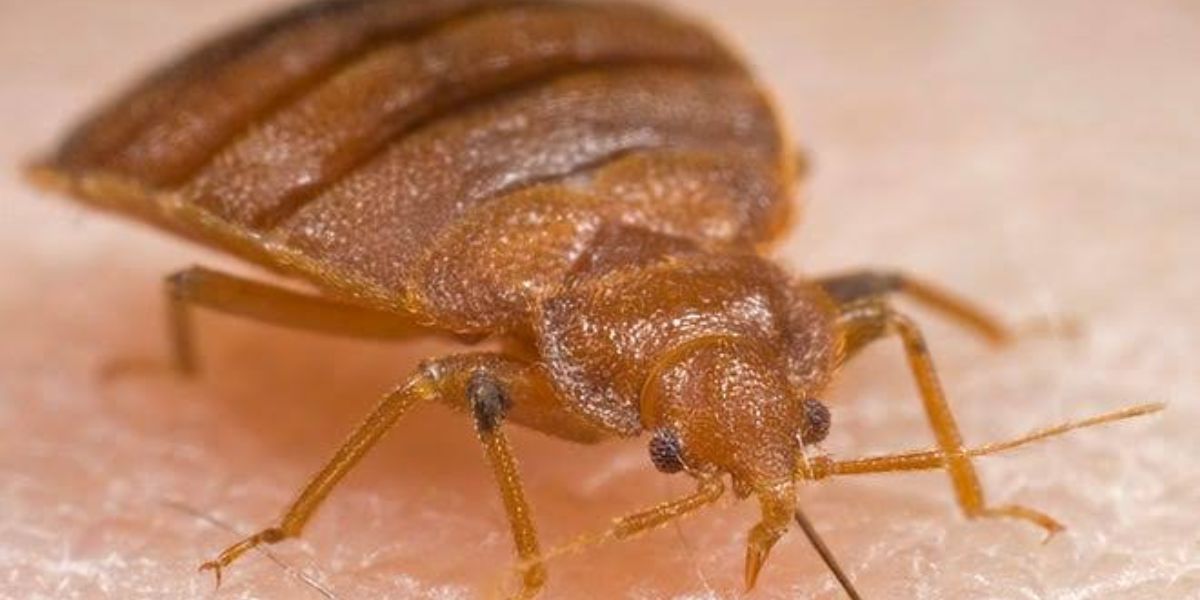
Pittsburgh has jumped three spots to land at No. 9 on this year’s list of American cities with the worst bed bug problems, according to fresh treatment data compiled by pest control giant Orkin.
The rankings, based on service calls logged between May 2025 and May 2026, place Chicago at the top of the list, followed by Los Angeles, Detroit, Cleveland, Indianapolis, Springfield, Washington D.C., and Columbus — all ahead of Pittsburgh. Grand Rapids closes out the top ten.
Vacation Destinations Seeing a Spike
What’s catching experts’ attention this year isn’t just the usual big-city suspects — it’s the arrival of popular summer getaway spots on the list. Tampa and Myrtle Beach both cracked the top 50 for the first time, a shift researchers are tying directly to peak travel season.
Orkin’s national entomologist, Dr. Shannon Sked, said summer travel naturally raises the risk of picking up unwanted hitchhikers, since bed bugs are notoriously hard to eliminate once they settle into a home or hotel room. She’s urging travelers to give hotel rooms and rental properties a quick once-over — and to check their own bags too — before settling in anywhere.
What Travelers Should Actually Look For
Because bed bugs are small and easily overlooked, an infestation can go unnoticed for weeks before anyone realizes bugs have made it back home in a suitcase.
Pest control experts recommend a simple routine, remembered by the acronym SLEEP, to cut down the risk:
- Search the room carefully — bed bugs are flat, reddish-brown, oval, and roughly the size of an apple seed.
- Watch for rust-colored stains on sheets or fabric, along with a faint sweet, musty odor.
- Lift mattress edges, cushions, and curtains to check hiding spots.
- Examine luggage before repacking, keeping bags off the floor and away from furniture.
- Post-trip, inspect luggage again once home, and run washable clothing through a hot dryer cycle for 30–45 minutes to kill anything that may have tagged along.
Health officials, including those at the CDC, note that while bed bugs don’t transmit disease, infestations can be costly and stressful to remove — making prevention during travel season the easiest line of defense.